
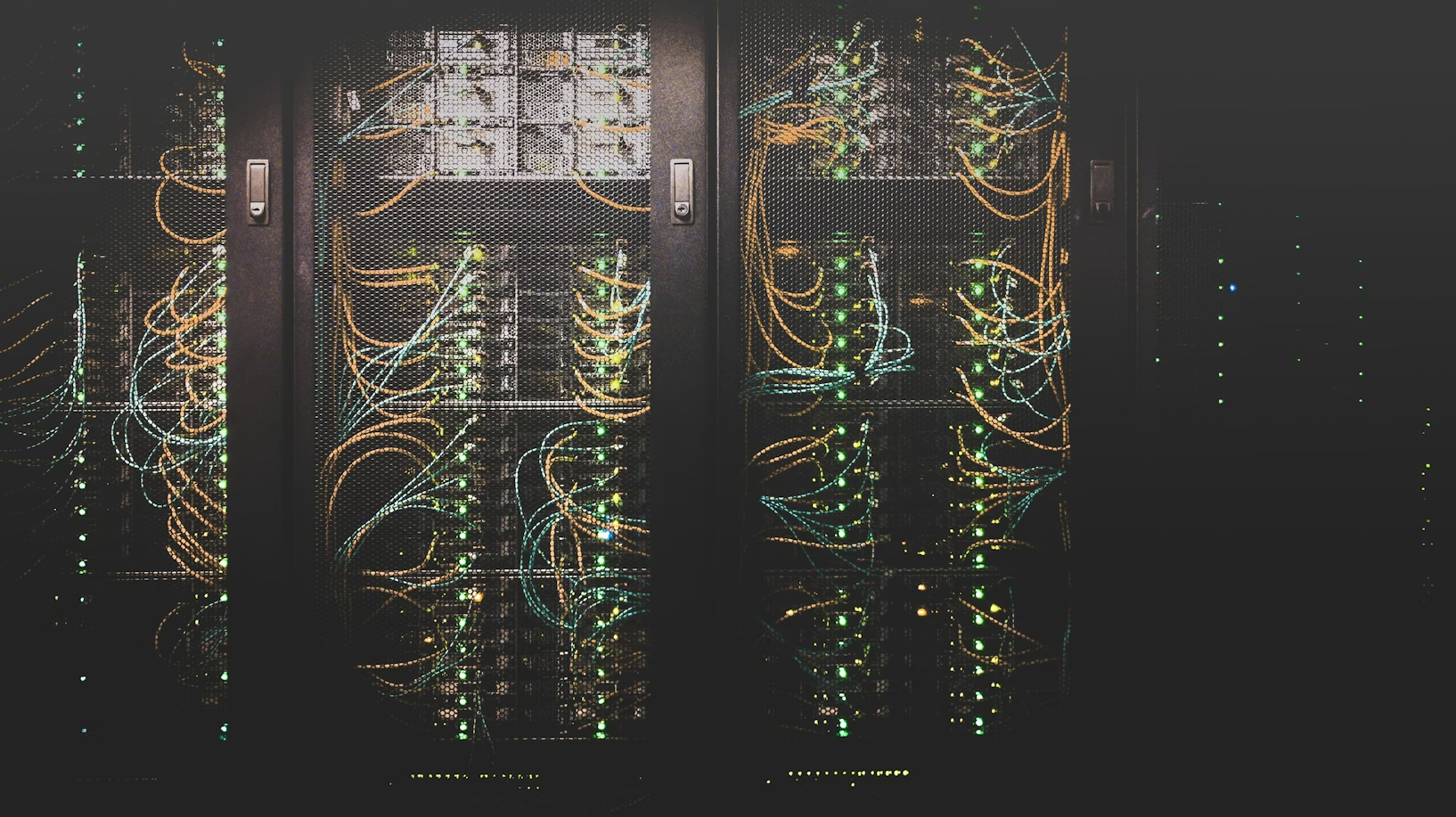
The stock market has never seen the same excitement as it did with artificial intelligence, built on hopes that it will someday surpass human collective intelligence. On the flip side, millions of Americans struggle to keep the lights on when a massive industrial shift is quietly driving energy costs higher. Currently, more than 24% of households could not pay their utility bills in full, and overdue balances have jumped 32% over the past three years. At the same time, AI is building a rapid proliferation of data centres that are projected to consume between 6.7% and 12% of U.S. annual electricity by 2028, up from 4.4% in 2023. Regions with dense concentrations of these facilities are seeing the most drastic price increases: Virginia’s electricity prices climbed 13% last year, Illinois' 16%, and Ohio's 12%, while wholesale power prices in parts of the PJM market have shot up as much as 267%. Nationally, monthly energy bills have risen from $196 to $265 since March 2022, far outpacing inflation, and analysts estimate data centres are responsible for more than nine billion dollars in added costs in the 2025–26 capacity market.
Policymakers remain divided over whether the data centre boom will ultimately help or hurt consumers. Energy Secretary Chris Wright argues that rising demand will drive new investment in energy generation that eventually lowers electricity prices for everyone. Yet research from Carnegie Mellon University directly challenges this rhetoric, projecting that data centre and cryptocurrency mining growth could raise national electricity generation costs by 8% through 2030, with increases above 25% in central and northern Virginia. The study warns that more than 25 gigawatts of old coal plants could remain online solely to support data centre load, pushing emissions up by as much as 30% and undermining climate goals. Consumers are already paying the price. Pennsylvania households alone face $2.18 billion in higher electric bills this year, rising to $2.75 billion by 2026, even though data centres contribute only a fraction of that amount in state and local tax revenue.
Beyond the immediate shock to household budgets, the data centre boom threatens to widen America’s wealth divide. In spite of industry claims on job creation, these facilities are capital-heavy but employ relatively few workers, often no more than a midsize restaurant or small high school. In Pennsylvania, data centre employment fell 3% between 2022 and 2024 even as new sites opened, echoing the pattern seen in Appalachia’s natural gas boom, where massive investment failed to produce sustained local prosperity. The economic gains flow mostly to distant shareholders and high-earning tech employees, while communities absorb infrastructure strain and higher electricity rates. With AI simultaneously eliminating entry-level jobs across industries, the country is confronting a model of growth that creates GDP without creating broad-based opportunity. Without decisive policy intervention to rebalance costs by requiring data centres to fund their own power source or shielding households from rate increases, the digital economy risks becoming a two-tiered system: those who benefit from the AI boom and those left quite literally in the dark.
Sources: WSJ, PEW, CMU
Photos: Unsplash