
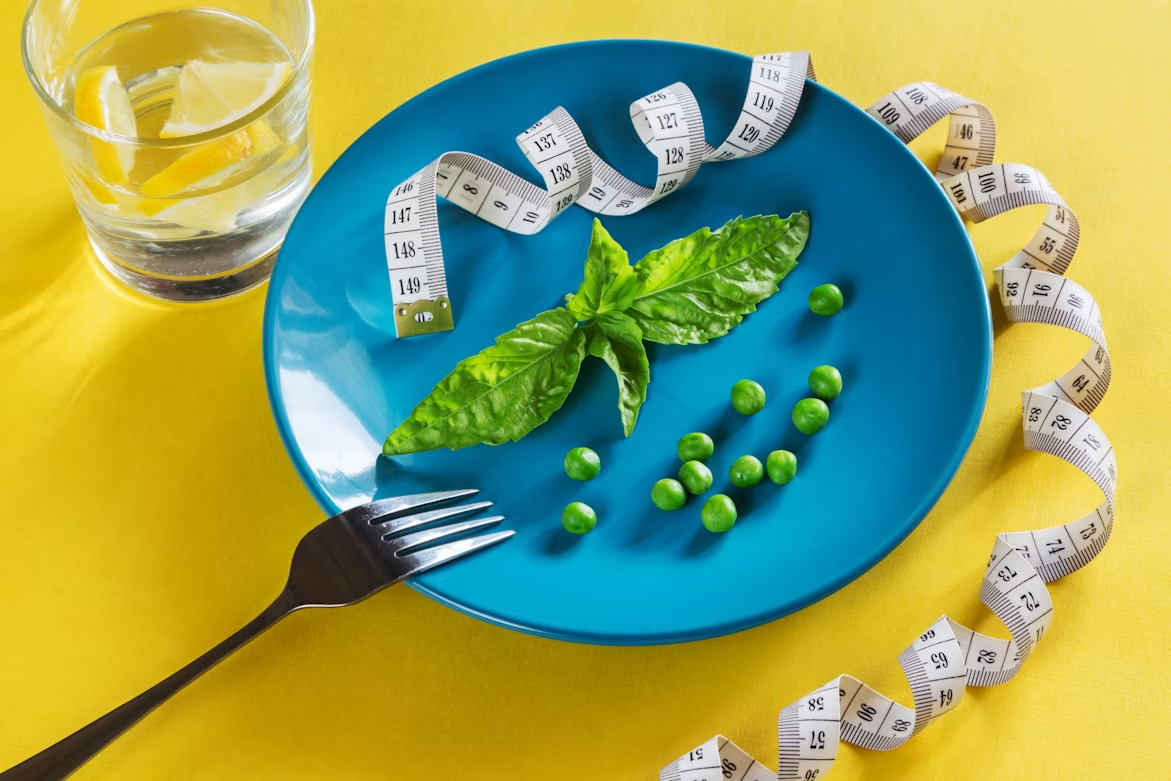
The traditional weight-management industry that was built on weekly weigh-ins, point systems, meal replacements, and subscription coaching is now being structurally dismantled by peptides that target obesity biologically rather than behaviourally. WeightWatchers' bankruptcy filing supported the claim where the company cited a "rapidly changing weight management landscape" while reporting a 9.3% drop in first-quarter 2025 subscription revenue even as its clinical business grew over 57%. The legacy business casualty is just one symptom of a visceral realignment where GLP-1 adoption is not merely changing the standard of care but resetting consumer behaviour across entire industries. PwC argues that health, food, retail, and travel companies will all need to reinvent their models, while JPMorgan forecasts the global incretin market could reach $200 billion by 2030 with market share drawn from every major consumption sector.
That disruption stands to intensify as retatrutide moves toward commercialisation. In Lilly's May 2026 phase 3 readout, even the lowest dose arm at 4 mg achieved an average weight loss of 19.0% at 80 weeks, with the 9 mg and 12 mg arms reaching 25.9% and 28.3%, respectively. The commercial significance of high efficacy at low doses spells a drug that works across a broad dosing range can be titrated more flexibly for tolerability and therefore widens the patient pool. Even so, the safety profile is not benign. Reports of nausea, diarrhoea, vomiting, dose-related heart-rate increases, and discontinuation rates remain material concerns, although contested by users exposed to the varying quality of the compound produced in unregulated labs. The most credible path to market is physician-supervised step-up dosing aimed first at patients with obesity or cardiometabolic comorbidities rather than broad wellness branding. The risks of outpacing legitimate access are already visible in reports of bootleg retatrutide sourced from Chinese laboratories describing contaminated products, wrong dosing, and serious harm, including pancreatitis.
The downstream effects on adjacent industries will be significant but uneven. The food and beverage industry faces an insurmountable threat. JPMorgan estimates that GLP-1 use could reduce annual sector revenue by $30 to $55 billion by 2030 to 2034 as users consume roughly 21% fewer calories and spend 31% less on groceries. That pressures indulgence-heavy brands while favouring smaller portions, high-protein formats, and nutrient density. Bariatric surgery clinics are also affected, with early data linking rising GLP-1 prescriptions to declining procedure demand. Appetite-suppression supplement brands face outright obsolescence unless they pivot toward protein, fibre, and GI-support products that help users manage lower intake and preserve muscle mass. Fitness may be a net beneficiary as clinical guidance increasingly emphasises resistance training during GLP-1 treatment given the risk of lean-mass loss, and qualitative follow-up among retatrutide users reported improved mobility and higher energy levels. This suggests the drug class may not kill fitness culture but redirect it toward strength training, body-composition coaching, and the management of what happens after the weight comes off.
Sources: BBC, PwC, JPM, WUSF, Statnews
Photos: Unsplash
Written by: Ariff Azraei Bin Mohammed Kamal