
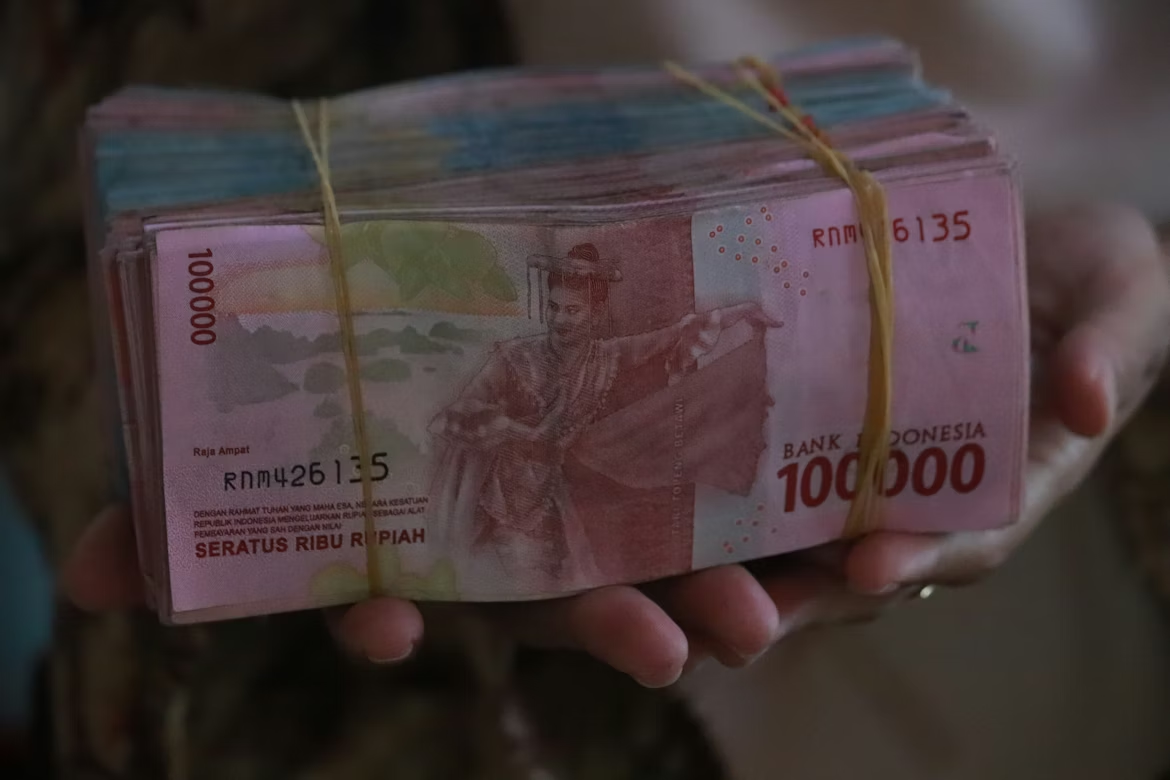
Energy is the lifeblood of every economy, and Indonesia is one of the hardest-hit countries in the Southeast Asian region during this energy crisis that stemmed from the Strait of Hormuz blockade, compounding its already systemic chaos internally. On May the 20th, Bank Indonesia delivered a 50 basis point rate hike to 5.25%, 25 points higher than economic consensus after the rupiah hit record lows, almost reaching 17,800 per dollar, with the central bank saying the move was meant to stabilise the currency. Reuters noted the rupiah was down about 6% against the dollar in 2026 and among emerging Asia’s weakest performers. That weakness looks even worse next to its neighbour, Malaysia, where foreign money has flowed strongly into bonds and stocks, lifting the ringgit and enhancing investor confidence in Anwar Ibrahim’s more predictable policy direction as a regional bright spot. Indonesia still posted 5.61% first-quarter growth, but Reuters said that gain was driven heavily by government spending and Ramadan-related consumption, suggesting headline GDP is masking a deeper loss of investor trust.
Much of that distrust is tied to politics. President Prabowo Subianto has agitated markets with abrupt, more state-directed moves by expanding the state’s grip over commodity exports, forcing exporters to keep earnings in domestic banks, and pushing an expensive growth agenda while investors question fiscal discipline and central-bank independence. His predecessor Jokowi’s downstreaming strategy did bring in billions for nickel, batteries, and EV supply chains, but much of that investment was capital-intensive, created fewer jobs per rupiah than older industries, and left youth underemployment, informality, and poor job quality as major lingering pain points.
A historical U.S. intervention in Indonesia has led many to believe the state is a strong ally to Uncle Sam, but current U.S. “help” looks more transactional than protective, centred on trade and investment deals rather than any rescue of the rupiah. The good news is the IMF’s 2026 Article IV describes Indonesia’s sovereign debt risk as low, with public debt just above 40% of GDP, although the China-linked debt problem involving the renegotiation of the $7.3 billion Jakarta-Bandung high-speed rail project may point toward a distressed budget constraint. What is undeniable is that governance fears are rising, with former minister and Gojek co-founder Nadiem Makarim potentially facing an 18-year sentence over a Chromebook procurement case, the kind of elite scandal that can make domestic tycoons and foreign capital alike hesitate.
Sources: Reuters
Photos: Unsplash
Written by: Ariff Azraei Bin Mohammed Kamal