
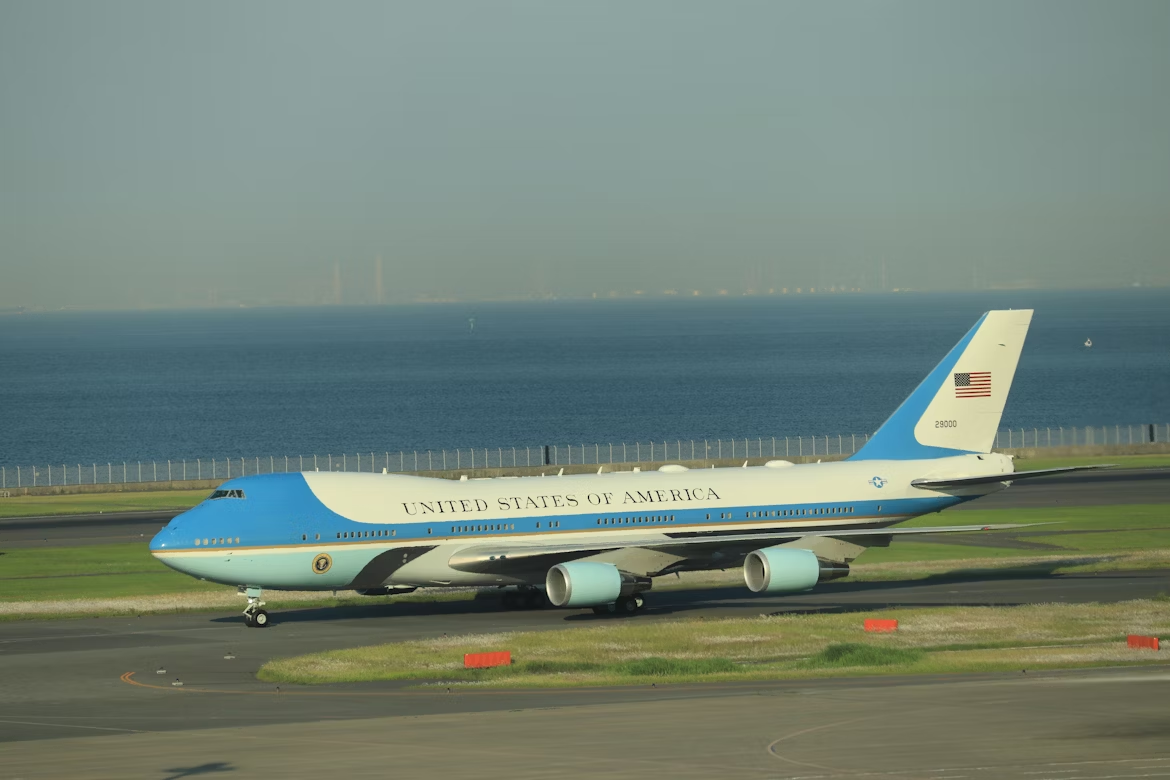
When Air Force One landed in Kuala Lumpur for the first time since Obama, it marked the start of what could be the most influential diplomatic tour of Donald Trump’s second presidency. The five-day trip through Malaysia, Japan, and South Korea was heavy on peace accords, trade deals, and public displays of alliance, though its real purpose is to test whether the United States can reassert global leadership as the world order shifts eastward.
In Malaysia, Trump presided over the signing of the Kuala Lumpur Peace Accords between Thailand and Cambodia and secured trade and mineral agreements designed to challenge China’s dominance in rare earth supply chains. It shows that the U.S. is still interested in engaging with Southeast Asian countries with economic incentives to counter Beijing’s influence. Still, all eyes were on the upcoming meeting with Chinese President Xi Jinping, a summit to determine the true outcome of the trip.
Wearing a golden tie in Tokyo, Trump found an enthusiastic partner in newly elected Japan’s Prime Minister Sanae Takaichi, who pledged to ramp up defence spending and deepen cooperation on energy and minerals. Their alignment reinforced Trump’s belief in transactional diplomacy. But in South Korea, stalled trade negotiations highlighted the limits of that model, as Seoul baulked at the unfavourable investment demands from Washington.
Trump's goal centred around the effort to undermine China’s control over critical materials, secure favourable trade terms, and get into a position to win over Beijing in negotiations. Japan and Southeast Asia visits delivered short-term wins, but the strategic standoff with China remains ambitious. At the APEC summit, both Trump and Xi arrive constrained, neither able to escalate nor retreat, making a temporary trade truce the most likely outcome until either gains a clear advantage.
If successful, the trip could set the stage for a new era of “stable rivalry", where the U.S. and China compete aggressively but manage tensions through clear ground rules. Otherwise, it risks growing into a costly economic conflict for both sides. Trump is betting that personal diplomacy and allied pressure can yield concessions from Beijing without triggering full decoupling in economic relations and in dollar dominance. Whether that gamble pays off will determine not only the legacy of this trip but also the future course of global power in the decade ahead.
Sources: CNN, Al Jazeera, The Diplomat
Photos: Unsplash