
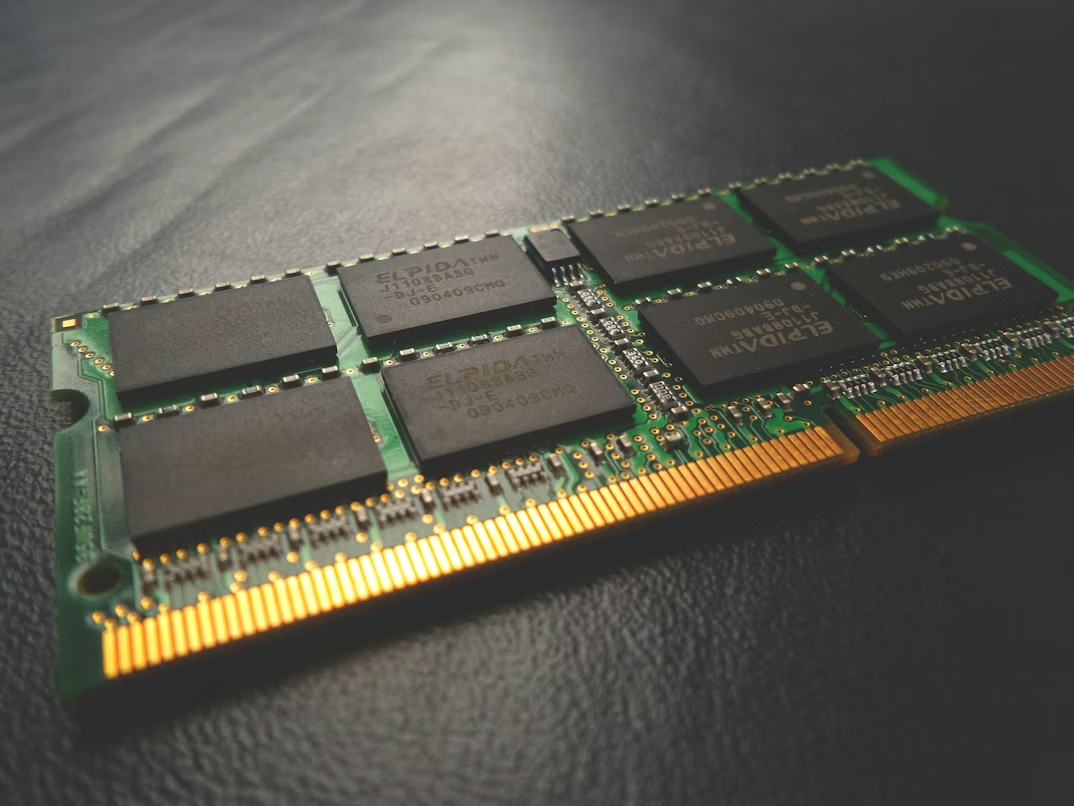
The GPU shortage is a thing of the past now that the global RAM market is taking its place as the main pain point for gamers, users, and even industry players with unprecedented price inflation as Micron, Samsung, and SK hynix, the trinity that controls nearly the entire memory supply, switches its manufacturing process to prioritize high-bandwidth memory (HBM) for AI applications over conventional DRAM. According to Micron's Sumit Sadana, demand has "far outpaced" supply capabilities across the entire industry, with TrendForce reporting a 50-55% quarter-over-quarter price increase for DRAM. This shortage mainly stems from the "memory wall" phenomenon, where AI computing advances outpace memory capacity growth, as powerful GPUs increasingly stall for data rather than processing it.
The shortage impacts all computing devices because manufacturing HBM memory consumes disproportionate resources, where Micron explicitly stated producing one bit of HBM memory requires sacrificing three bits of conventional memory. This "three-to-one basis" means AI infrastructure demands are directly cannibalizing supply for consumer devices. Memory's growing share of device costs (now exceeding 20% of laptop hardware costs, up from 10-18% in early 2025) is forcing manufacturers to either raise prices or reduce specifications in mid- and low-tier products, while smaller brands struggle to secure supply altogether.
For consumers, this translates to significantly higher prices and longer device lifecycles as the industry adapts to scarce, expensive memory. PC component costs have already risen 40-70% throughout 2025, with computer builders reporting quotes "around 500% higher" than just months ago. Manufacturers are responding by shipping devices with lower memory configurations to protect margins, potentially hampering performance for modern applications and delaying transitions to newer operating systems. This memory crunch risks accelerating a shift toward centralized cloud computing while simultaneously making those data centers more expensive to build, a paradox where the solution to local device limitations is precisely what's causing the global shortage.
Sources: CNBC, Trendforce, The Register, BBC
Photos: Unsplash
Written by: Ariff Azraei Bin Mohammed Kamal