
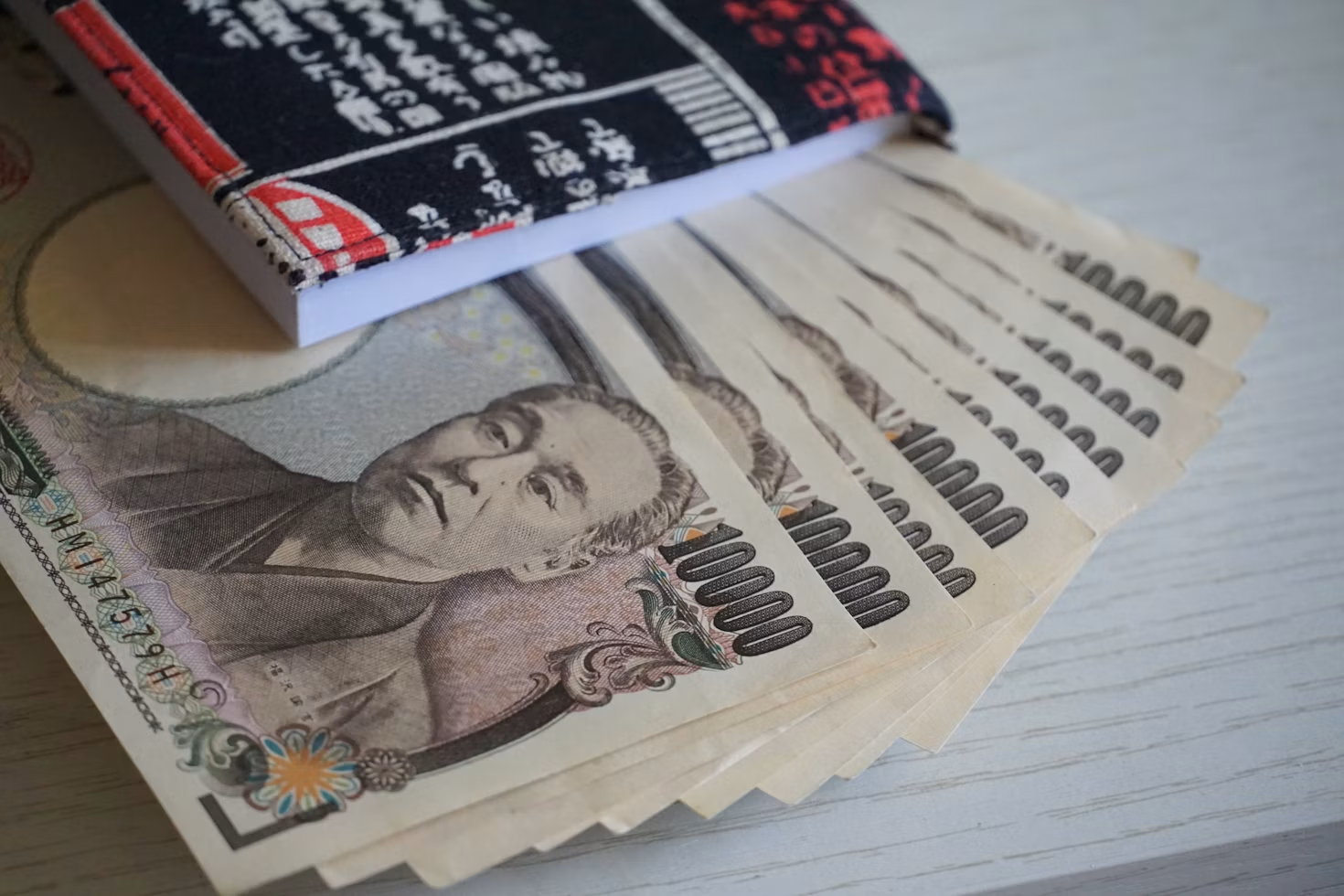
At the end of July, the United States Treasury Department undertook an unusual operation by buying Japanese yen for the first time since 1998, joining Tokyo in a coordinated intervention to reverse the yen decline to a four-decade low. Japan moved first, spending ¥8.45 trillion, representing $52.8 billion, on Thursday in the largest single-day currency intervention ever made, then added ¥5.33 trillion on Friday. The U.S. Treasury purchased $5–10 billion in yen alongside, a figure that became public when a photographer caught Treasury Secretary Scott Bessent's notepad at a Camp David cabinet meeting writing, "To Do: Buy Japanese Yen (JPY) $5-10 bil." The yen recovered from its 40-year low of 163.9 per dollar to a three-month high of 155.20, gaining as much as 5% in three sessions.
The structure of the deal reveals what Washington actually cared about. The New York Fed sold euros, not dollars, to buy the yen, drawing on the Treasury's existing €13 billion stash so the U.S. would not signal broad dollar weakness while domestic inflation runs above target. The more consequential mechanism was the Federal Reserve's FIMA repo facility, which lets Japan borrow up to $60 billion per day in dollars by pledging its U.S. Treasury holdings as collateral instead of selling them. Japan is the largest foreign holder of American debt, and the Treasury's core fear was that unilateral Japanese intervention would dump bonds into the market and spike U.S. yields. FIMA managed to remove that threat, which is precisely why U.S. participation became apparent.
The supposed overnight operation actually took eleven months of groundwork. The U.S.-Japan Finance Ministers' Joint Statement of September 2025 supplied the legal basis, authorizing intervention against excessive volatility in either direction and committing both sides to monthly disclosure. A January rate check by the New York Fed tested the machinery, and April and June meetings between Bessent and Finance Minister Satsuki Katayama tightened alignment until both governments pledged "bold" countermeasures. The trigger came when the yen broke through the 163 threshold under the combined weight of the Iran war's energy shock and Japan's 230% debt-to-gdp load. Attention now turns to the Bank of Japan's September meeting, where a rate hike could address the root cause of the yen's weakness by narrowing the interest-rate gap, something tens of billions in market intervention have failed to achieve over the past four years.
Sources: CNBC, Fortune, Al Jazeera, KCRA, MUFG
Photos: Unsplash
Written by: Ariff Azraei Bin Mohammed Kamal