
AI is rapidly proliferating from "decision-support" software into the guidance and targeting loops of drones, loitering munitions, and increasingly autonomous missile systems, where computer vision and sensor fusion compress the kill chain by turning raw feeds such as EO/IR video, radar tracks, SIGINT, telemetry, maps, and battlefield reports into machine-readable target candidates. It is the ultimate competitive edge in what is thought to be the new arms race, belonging to the force that can ingest, label, and correlate the most heterogeneous data fastest, including commercial and civilian output that sits outside legacy ISR lanes. In practice, that data appetite is not merely a privacy problem in the peacetime legal sense but a warfighting logic that treats any available signal as potentially target-relevant, making "data dominance" a prerequisite for "fight dominance".
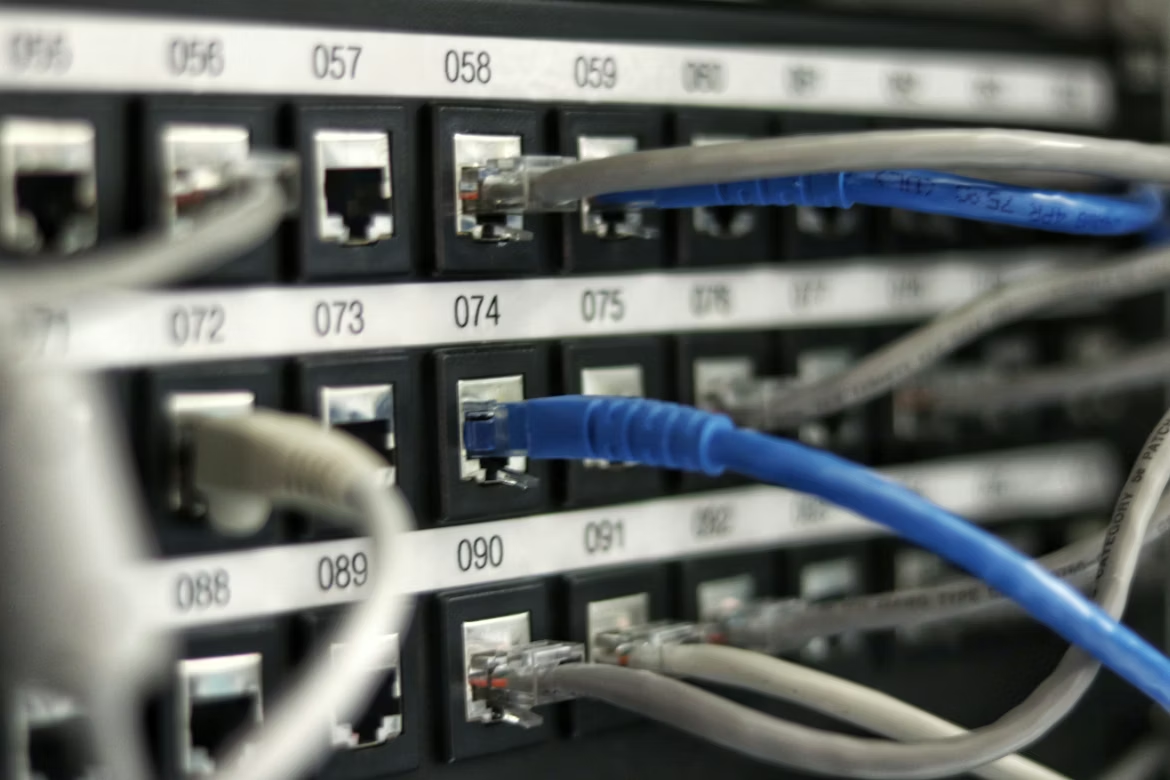
The infrastructure required to obtain this advantage is also physically fragile. Modern AI-enabled targeting and command systems remain tethered to concentrated compute in hyperscale clouds, GPU clusters, fibre chokepoints, cooling plants, and substations that turn data centres and their enabling utilities into high-value, fixed targets that can be disrupted more easily than mobile tactical units. Because militaries increasingly ride on commercial cloud and "dual-use" digital infrastructure, the distinction between civilian computing power and military AI nodes overlaps. A facility that hosts financial services in peacetime can also host model training, sensor fusion, or targeting workflows in crisis, placing civilian structures and the surrounding grid in a coercive target set. Reporting has already discussed Iranian strikes on Gulf-region damaged cloud facilities, a real-time example of how adversaries view data centres as legitimate pressure points even when they serve civilian customers.
Governments knew this and are therefore hardening the compute backbone as if it were a strategic weapons system by relocating mission-critical nodes into underground, EMP-hardened facilities, often reusing Cold War-era bunkers whose mass and shielding function as de facto Faraday cages to preserve command continuity under kinetic attack or electromagnetic effects. The U.S., for example, has moved communications capabilities back into the EMP-hardened Cheyenne Mountain complex, while a broader commercial trend is repurposing former nuclear bunkers and deep underground sites into ultra-secure data centres optimised for physical survivability. Donald Trump's Mar-a-Lago is also documented to have Korean War-era bomb shelters, which rumours periodically claim that high-profile renovations, such as ballrooms or event spaces, could conceal a bunker repurposed for secure AI infrastructure.
Sources: Reuters, Fedscoop, The Conversation
Photos: Unsplash
Written by: Ariff Azraei Bin Mohammed Kamal